
Weather
Cruise Weather Expectations Guide
What weather on a cruise actually feels like, when rough seas matter, and how to plan for rain, wind, heat, and changing port conditions without overreacting to brochure photos.
Weather on a cruise rarely looks like the brochure every day
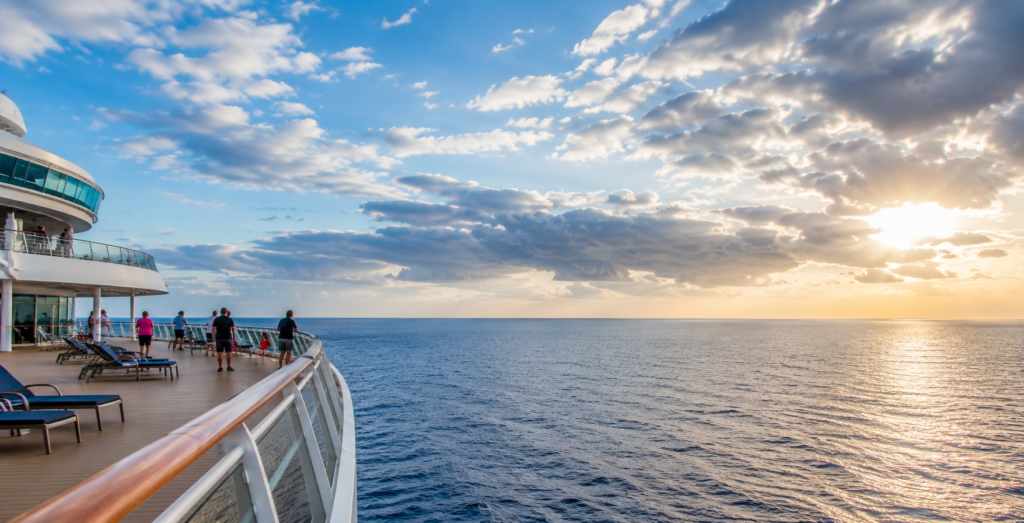
Most first-time cruisers picture endless sunshine, calm seas, and postcard-perfect views every day of the trip. While that certainly happens, cruise weather is usually more dynamic. A day may begin with clouds, turn sunny by lunch, include a brief rain shower in the afternoon, and end with a beautiful sunset. Understanding that changing conditions are normal helps set realistic expectations before you sail.
That does not mean something is wrong with your trip. It usually means you are traveling on the open ocean, where conditions change faster than resort marketing photos suggest. If you go in expecting some variation, weather feels much less disappointing.
Caribbean weather realities
Caribbean cruises are warm and comfortable for most of the year, but the weather rarely stays exactly the same all day. Brief rain showers are common, especially in tropical destinations, and many pass through quickly before sunshine returns. It is also common to see forecasts showing rain on multiple days even though much of the day remains pleasant. For most cruises, changing conditions are simply part of the Caribbean experience rather than a reason to worry.
Many travelers also underestimate how different weather can feel between port and sea days. A port may be hot and still in the morning, while the ship feels breezy and much cooler once it is moving again.
Hurricane season without the panic
Hurricane season sounds intimidating, but it does not automatically mean a cruise will have bad weather. Modern cruise ships have access to sophisticated weather tracking, and captains are highly experienced at adjusting routes, port schedules, and itineraries to avoid dangerous conditions whenever possible. In many cases, passengers may notice an itinerary change without ever experiencing the weather that caused it. While hurricanes can occasionally affect cruise plans, most cruises during hurricane season operate normally and spend far more time avoiding storms than sailing through them.
The key expectation is flexibility. Booking during hurricane season can mean lower prices, but it also means you should care more about the overall cruise experience than one exact port lineup. A changed itinerary is often a sign that the ship is doing exactly what it is supposed to do—keeping passengers comfortable and away from severe weather whenever possible.
Sea days can feel very different from port days
Weather can feel very different depending on whether the ship is in port or at sea. Port days often provide shelter from wind thanks to nearby land, buildings, and natural terrain. Sea days are usually more exposed, which can make breezes feel stronger, temperatures feel cooler, and ocean motion more noticeable. It is common for the exact same forecast to feel very different when the ship is crossing open water versus sitting alongside a pier.
If you already read the Port Day vs Sea Day Guide, this is part of why sea days feel different operationally. Even when temperatures are warm, movement and wind exposure can change how the ship feels.
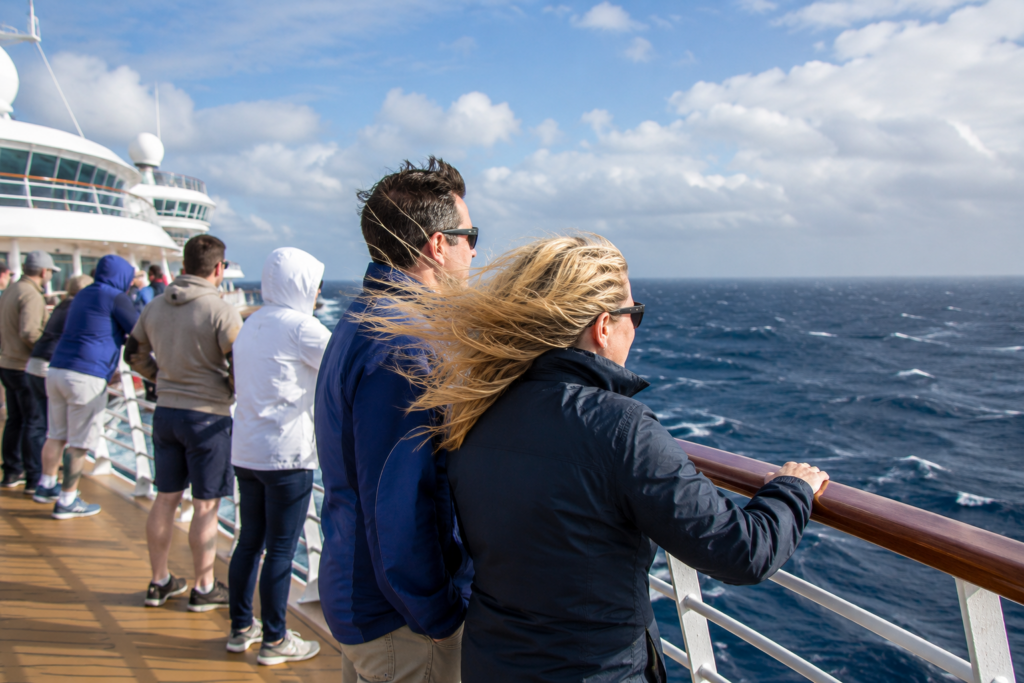
Wind on deck is more noticeable than many people expect
Even on warm-weather itineraries, open decks can feel surprisingly windy, especially on sea days, higher decks, and during sailaway. Hats blow off, lightweight cover-ups flap constantly, and pool decks can feel much breezier than they appear in vacation photos.
This is one reason practical packing matters more than many first-time cruisers expect. Items like sunglasses straps, light layers, and bags that close securely often prove more useful than packing extra outfits. If you are still deciding what to bring, the Packing Guide covers the items that help you stay comfortable in changing cruise conditions.
Alaska and Caribbean weather are different planning problems
Caribbean weather planning is usually about heat, humidity, sun exposure, and sudden rain. Alaska planning is more about layers, cooler air, mist, wind, and the fact that even scenic days can feel cold on deck.
That is why generic cruise packing advice can sometimes fall short. A warm-weather itinerary and a cool-weather itinerary may both require waterproof gear, but for very different reasons. Understanding the typical conditions for your destination will help you pack more comfortably and avoid surprises once you are onboard.
Rain is common, but it is not always trip-ruining
Rain is a normal part of cruising, especially in tropical destinations. The important thing to understand is that rain does not always mean a full day of bad weather. Many Caribbean showers are brief, passing through quickly before sunshine returns. It is common to see a forecast showing rain for much of the day, only to experience a short shower followed by several hours of pleasant weather.
Cruise ships and destinations are also designed with changing weather in mind. Indoor dining, entertainment, lounges, and covered outdoor areas allow activities to continue even when conditions are less than perfect. A rainy afternoon may change your plans, but it rarely ruins an entire cruise.
Excursion weather can be very different from ship weather
Weather on an excursion can be very different from the conditions you experience onboard the ship. A port may look sunny from the pier while a mountain excursion deals with clouds, rain, or cooler temperatures. Boat tours, beaches, jungle excursions, and inland sightseeing trips can all experience different conditions even on the same day.
This is one reason it helps to review excursion details before leaving the ship. Bringing a light rain jacket, sunscreen, or an extra layer can make a significant difference depending on where you are headed. Understanding the activity and local conditions is often just as important as checking the forecast.
Rough seas and motion are part of the weather conversation
Weather is not just about rain or temperature. Wind and sea conditions can affect how much motion you feel onboard. Some travelers barely notice it, while others feel it most during the first night of the cruise, open-water crossings, or periods of rougher weather. Larger ships help reduce movement, but no ship completely eliminates it.
If motion is something you are concerned about, the Motion Sickness Guide covers practical ways to prepare before your cruise and what to do if rough seas make movement more noticeable. For most travelers, understanding what causes motion and planning ahead is enough to avoid it becoming a major issue.
Practical packing matters more than perfect forecasting
Most travelers do better with a flexible packing strategy than with constant forecast checking. Weather forecasts change, especially over open water, but being prepared for a range of conditions is usually more valuable than trying to predict every hour of the trip. A lightweight rain layer, waterproof bag, sun protection, and a few adaptable clothing options can make a significant difference depending on the itinerary, season, and weather conditions you encounter.
This is one reason the Packing Guide focuses on practical preparation rather than chasing perfect forecasts. The goal is not to pack for every possible weather scenario, but to bring versatile items that help you stay comfortable when conditions change.
A Practical Cruise Weather Mindset
The best approach to cruise weather is to expect changing conditions rather than perfect conditions. Most cruises experience a mix of sunshine, clouds, wind, rain, and shifting temperatures throughout the trip. That does not mean the weather is bad—it simply means the weather is normal. Experienced cruisers spend less time chasing perfect forecasts and more time preparing for a range of conditions. Flexible expectations, practical packing, and a willingness to adjust plans when necessary usually lead to a better vacation experience than worrying about every weather update before departure..
Related guides worth reading
Weather FAQ
Quick answers to common first-time cruise weather questions.
Does bad weather ruin most cruises?
Most cruises experience some combination of clouds, rain, wind, and sunshine. Brief weather interruptions are normal, and cruise ships are designed with plenty of indoor activities and covered spaces. Weather may change plans occasionally, but it rarely ruins an entire cruise.
Is the Caribbean always sunny?
No. Caribbean cruises are generally warm, but rain showers, clouds, humidity, and changing conditions are all normal parts of tropical weather. Many showers pass quickly and are followed by sunshine later in the day.
Should beginners worry about hurricane season?
Not necessarily. Cruise ships closely monitor weather conditions, and captains routinely adjust routes and itineraries to avoid severe weather. Flexibility is important, but most cruises during hurricane season operate normally.
Do you feel rough seas more at night?
Sometimes. Motion can feel more noticeable at night because you’re lying still and paying closer attention to the ship’s movement. Open-water crossings and rougher weather can also make motion easier to notice.
Can excursions be canceled because of weather?
Yes. Some excursions may be delayed, modified, or canceled if weather conditions create safety concerns. Cruise lines and excursion operators prioritize safety over keeping every activity on schedule.
What should I pack for changing weather?
Lightweight layers, rain protection, sun protection, and comfortable walking shoes cover most cruise weather situations. A flexible packing strategy is usually more effective than trying to predict every weather change before departure.
Plan for changing conditions
Weather rarely follows a perfect forecast, but well-prepared travelers stay comfortable even when conditions change. Flexible expectations, practical packing, and a basic understanding of cruise weather patterns will help you enjoy your vacation regardless of whether the day brings sunshine, clouds, or a passing shower.