
Cruise planning
Cruise Travel Insurance Guide
Many travelers initially dismiss cruise insurance because they assume it only matters if they cancel the trip. What surprises many first-time cruisers is how often travel insurance discussions center around medical emergencies, evacuation costs, missed flights, weather disruptions, and interrupted travel plans.

Why Travel Insurance Is Different
Many travelers initially assume travel insurance only matters if they cancel a trip. Cruises change that equation because there are more moving parts, tighter schedules, international travel considerations, and fewer easy recovery options once your vacation begins.
Unlike many land vacations, cruises operate on fixed departure schedules. If a delayed flight, missed connection, weather disruption, or medical issue causes you to miss embarkation, the ship will not wait. Travelers may then face expensive last-minute transportation costs trying to catch up at the next port.
Medical care is another major difference. Cruise ships have onboard medical facilities, but they are not full hospitals, and treatment can become expensive quickly. For international sailings especially, medical evacuation and transportation back home are often some of the biggest financial concerns travelers think about when considering insurance.
Cruises also involve layered travel logistics. Flights, hotels, transfers, excursions, and pre-cruise planning can all be affected by weather delays, family emergencies, or travel interruptions. This is why many travelers evaluate cruise travel insurance differently than they would for a simpler land-based vacation.
None of this means every traveler needs travel insurance. It simply means cruises often involve more financial and logistical variables than many other types of vacations, which is why travelers frequently evaluate insurance differently when planning a cruise.
What Travel Insurance Can Potentially Cover
Coverage depends on the policy, timing, and reason for the claim, but these are some of the most common areas travelers review before a cruise.
Before departure
Cancellation and delay issues
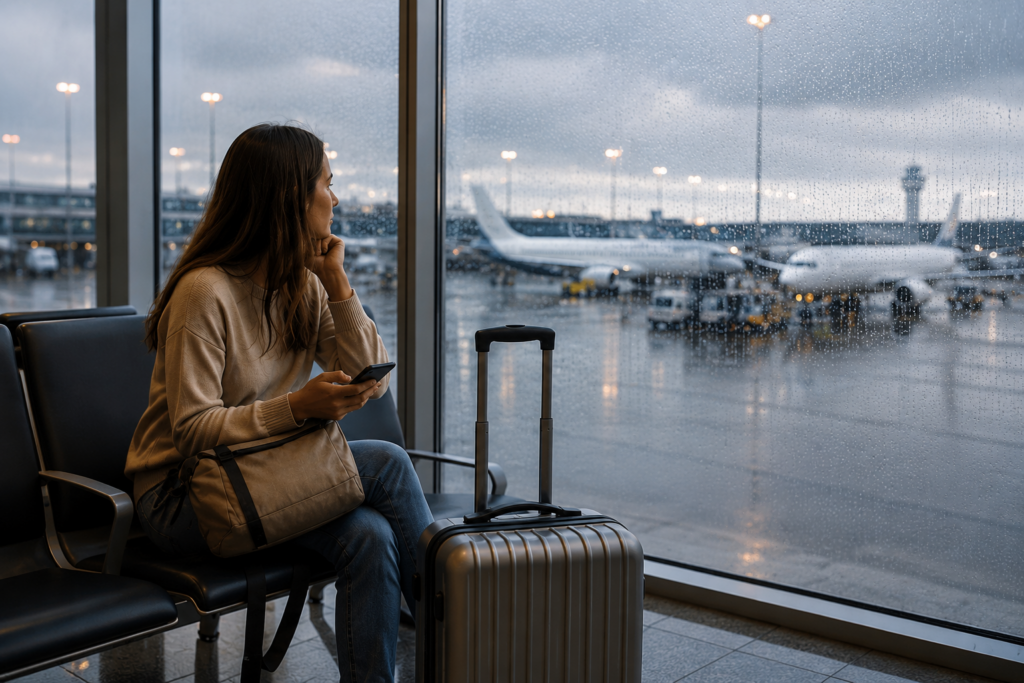
Travelers often review this part of a policy before a cruise because the ship leaves on a fixed schedule. A delayed flight, missed connection, family emergency, or severe weather event can create a bigger problem than it would on many land vacations.
For example, if a flight delay causes you to miss embarkation, you may need to arrange last-minute transportation, hotels, or flights to catch up with the ship at a later port. Those costs can become expensive very quickly depending on the itinerary and location.
The important detail is that reimbursement rules are usually tied to the policy language and the reason for the disruption. Not every delay, missed flight, or schedule change is treated the same way, so this is one of the areas where travelers should read carefully before assuming they are covered.
As with any insurance product, understanding what is covered, what is excluded, and what documentation may be required is often just as important as the coverage itself.
During the cruise
Medical and interruption concerns
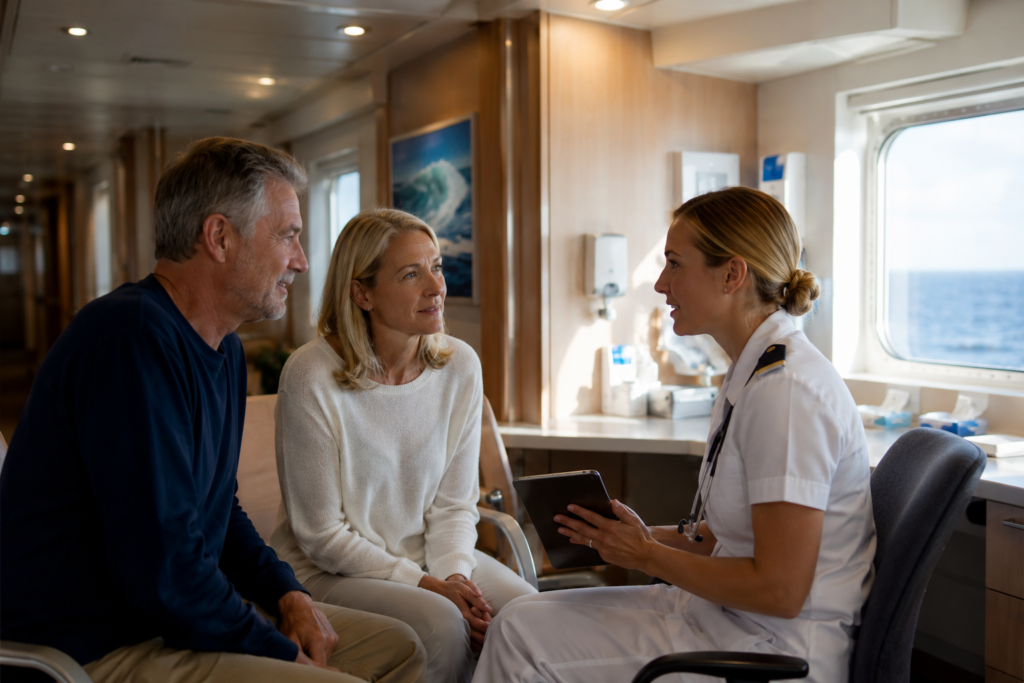
Many travelers focus on onboard medical treatment, emergency transportation, and interruptions that may cut a cruise short. This becomes more important on international sailings or itineraries far from home, where medical care, transportation, and schedule changes can become more complicated than a typical land vacation.
For example, a medical emergency could require treatment onboard, care at a local hospital in a foreign country, or transportation home before the cruise ends. Depending on the situation, those expenses can become significant.
Coverage varies by policy, so travelers should take time to understand what medical expenses, emergency transportation, evacuation services, and travel interruptions may or may not be covered before sailing.
As with other areas of travel insurance, reviewing the policy details ahead of time can help travelers understand their options and avoid surprises if an unexpected situation occurs during the trip.
Practical losses
Baggage and excursion problems
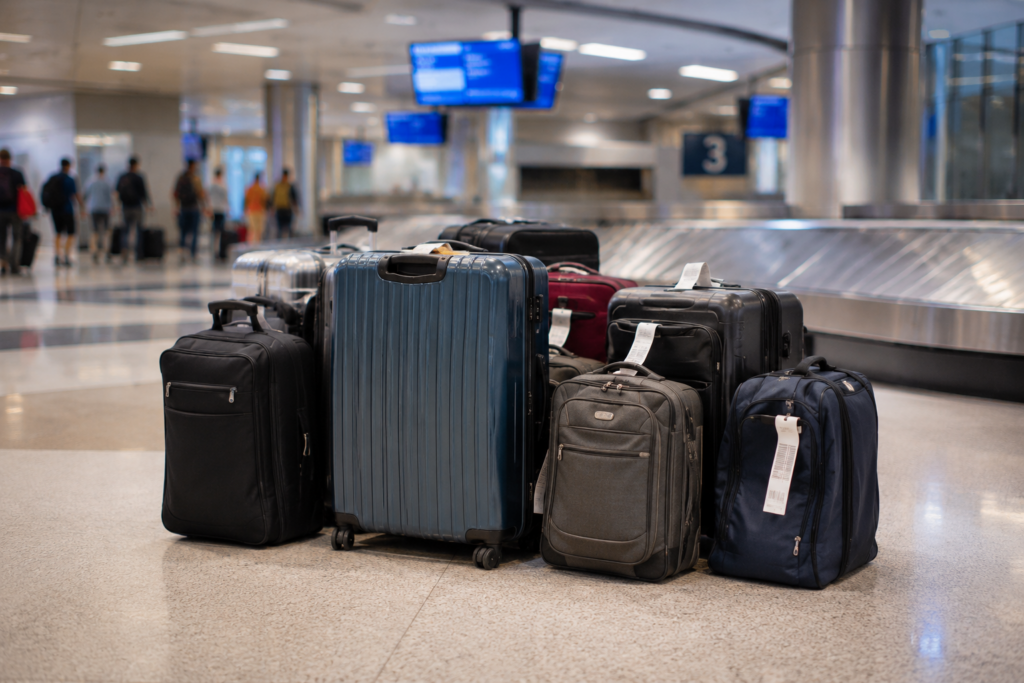
Some travel insurance policies may also help with baggage delays, lost luggage, or interruptions that affect pre-booked plans. That can become important if luggage does not arrive before embarkation or if weather, transportation delays, or schedule changes disrupt an excursion or port day.
For example, arriving at the cruise terminal without essential luggage can create unexpected expenses while waiting for bags to catch up with the ship. Similarly, travel disruptions before or during a cruise can sometimes affect excursions, hotel stays, transfers, or other pre-paid arrangements.
Coverage and reimbursement rules vary by policy, so travelers should review the details carefully and understand what documentation may be required if a claim becomes necessary.
As with other areas of travel insurance, the goal is not to assume every disruption is covered, but to understand what protections may apply before an unexpected situation occurs.
Comparing options
Cruise Line Insurance vs Third-Party Insurance
Many cruise lines offer their own protection plans during the booking process, while some travelers prefer comparing independent third-party options separately. Cruise line plans often feel simpler because they are built directly into the booking flow, while third-party plans may offer more flexibility depending on the traveler and itinerary.
Cruise line plans feel convenient
They are typically added during checkout and can feel straightforward for travelers who prefer a simpler booking process. Because the coverage is connected directly to the cruise booking, many travelers appreciate the ease of having everything arranged in one place.
Third-party plans allow comparison
Some travelers prefer being able to compare different providers, pricing structures, medical coverage options, interruption protections, and reimbursement limits before making a decision. In some cases, third-party plans may offer broader or more customizable coverage depending on the traveler and itinerary.
Neither option is automatically better for every traveler. The goal is to compare coverage details, limitations, exclusions, and costs so you can choose the option that best fits your trip and comfort level.

Risk level
When Travelers Often Consider Insurance Most Carefully
Travelers often look more carefully at insurance when a trip involves larger prepaid costs, multiple flights, international travel, hurricane season, or family members with medical concerns. Group travel can also increase complexity, since disruptions may affect several travelers at once.
For example, a traveler driving a few hours to a cruise port may evaluate risk differently than someone coordinating flights, hotels, transfers, and an international sailing. As trip costs and logistics increase, some travelers become more interested in understanding what protection options are available.
For some travelers, insurance simply becomes part of reducing uncertainty on more expensive or logistically complicated trips. Others may decide they are comfortable accepting the risks themselves. The important thing is understanding the potential financial and logistical impact of a disruption before deciding what approach makes the most sense for your situation.
Higher trip cost
Flights and connections
Medical concerns
Family or group travel
When Some Travelers Choose To Skip Insurance
Not every traveler purchases travel insurance, and there are many reasons why someone may decide coverage is not necessary for a particular trip. Travelers who are driving to the cruise port, taking shorter itineraries, using credit card travel protections, or simply feeling comfortable with the financial risks may reach a different conclusion than someone planning a more complex vacation.
Some travelers also prefer to evaluate the cost of insurance against the potential financial impact of a disruption. Depending on the trip, they may decide they are comfortable handling unexpected expenses themselves if a delay, cancellation, or interruption occurs.
The decision ultimately comes down to personal circumstances, risk tolerance, and the complexity of the trip. Rather than assuming insurance is always necessary or never necessary, many travelers simply review their options and choose the approach that best matches their situation.
Easy to miss
Important Things Travelers Often Miss
One of the biggest things travelers overlook is timing. Some policies include pre-existing condition windows or other time-sensitive benefits that may require coverage to be purchased shortly after the initial trip deposit. Many travelers assume they can wait until the last minute and still receive the same protections.
Documentation requirements, exclusions, reimbursement timelines, and coverage limitations are also commonly misunderstood. Travelers sometimes assume every weather issue, missed connection, or excursion disruption is automatically covered, but claims often depend on the exact circumstances and policy wording.
Insurance is ultimately just one part of broader trip planning. Weather expectations, embarkation timing, flight strategy, budgeting, and understanding your itinerary can all help reduce travel stress before a cruise. Many travelers find that combining good planning with a clear understanding of their insurance options provides more peace of mind than relying on either one alone.

Comparing Policies Calmly
Some travelers compare third-party travel insurance options before cruising so they can review multiple policies, medical limits, interruption coverage, evacuation benefits, and baggage terms in one place. Comparison marketplaces can be useful for that kind of side-by-side review, especially if you want a broader view than the plan offered during cruise checkout.
This is not about assuming everyone needs a policy. It is simply one way travelers gather information before deciding what level of protection, if any, feels appropriate for their trip.
If you decide comparing policies makes sense for your situation, reviewing multiple options side by side can help you better understand coverage differences, exclusions, and pricing before making a decision.
Cruise Travel Insurance FAQ
A few common questions travelers often ask while planning a cruise.
Does cruise insurance cover missed flights?
Sometimes, but coverage depends on the policy details and the reason for the delay. Travelers should not assume every missed flight or late arrival is automatically covered.
Can cruise insurance help with medical evacuation?
Some policies include emergency medical evacuation benefits, which is one reason travelers look more carefully at insurance for international or remote itineraries.
Is cruise line insurance always enough?
Not necessarily. Some travelers prefer the simplicity of cruise line plans, while others compare third-party options for different coverage structures, reimbursement limits, or medical protections.
Should every cruiser buy insurance?
No single answer fits everyone. Trip cost, health concerns, flights, hurricane season, family travel, and personal risk tolerance all affect the decision.
What do travelers often overlook?
Pre-existing condition timing windows, documentation requirements, exclusions, and reimbursement timelines are all commonly overlooked during the booking process.
How does this fit into broader cruise planning?
Insurance is usually part of the same planning mindset as preparing for embarkation, understanding cruise costs, and planning for potential travel disruptions before the trip begins.
Final Thoughts
Cruise travel insurance is not a one-size-fits-all decision. Some travelers always buy it, some experienced cruisers self-insure, and many people land somewhere in the middle depending on the trip. The most useful approach is usually a calm one: understand the risks, know what would be difficult to absorb financially, and make a decision that fits your travel style.
If you decide insurance is worth considering for your trip, take time to compare your options carefully and review the policy details before purchasing.