
Cruise Costs
Cruise Tipping Guide: How Gratuities Actually Work on Cruises
Cruise gratuities catch many first-time travelers off guard because they usually work differently than hotel tipping. This guide explains what automatic gratuities cover, when extra tipping is optional, and how to avoid surprise charges at the end of your cruise

Why cruise tipping feels confusing
Many travelers expect cruise tipping to work like a hotel stay, where you tip individual staff members only if you want to. On most mainstream cruise lines, that is not how it works. Instead, daily automatic gratuities are usually added to your onboard account unless you prepaid them before sailing.
That can feel strange at first because the charges build quietly in the background while you are settling into the ship. If you are already trying to understand dining times, muster drill procedures, and embarkation day logistics, gratuities can feel like one more unexpected system to decode. If you want a broader look at where these charges fit into your overall vacation budget, the Costs Guide helps put them in context.
What automatic gratuities usually cover
Automatic gratuities are designed to support the onboard service teams that keep your cruise running smoothly every day. That usually includes dining staff, stateroom attendants, wait staff, bar staff, and a range of behind-the-scenes crew members whose work many guests may never directly see during the trip.
In real life, that means the people refreshing your cabin, clearing tables, handling meal service, cleaning public areas, managing linens, and helping the ship operate efficiently around the clock. On most cruise lines, these gratuities are pooled across the onboard service teams rather than handed directly to one specific crew member.
The exact daily gratuity amount varies by cruise line and even by cabin category. Guests staying in suites or higher-tier cabins will often pay higher daily gratuities than travelers staying in standard interior cabins because those categories typically include additional service levels and staffing.
While policies differ from one cruise line to another, the overall system is designed so you do not need to carry cash around the ship tipping individual crew members throughout the cruise unless you personally choose to tip extra for exceptional service.
Prepaid vs onboard gratuities
Prepaying gratuities can make a cruise easier to budget because one more predictable onboard cost is handled before you even board the ship. Many travelers prefer this approach because it reduces the chances of getting to the last night of the cruise and realizing the onboard bill is higher than expected.
Paying gratuities onboard is not wrong either. Some travelers simply prefer to keep more flexibility before the trip begins. But if your goal is to keep onboard spending more predictable and avoid some of the most common surprise charges, prepaying gratuities can simplify the budgeting side of cruising.
This also pairs well with practical planning tools like embarkation prep, budgeting guides, and cruise checklists. If you are still learning how the first day of a cruise typically works, the Embarkation Guide walks through that process step by step.
Onboard Costs
Drink package gratuities are separate
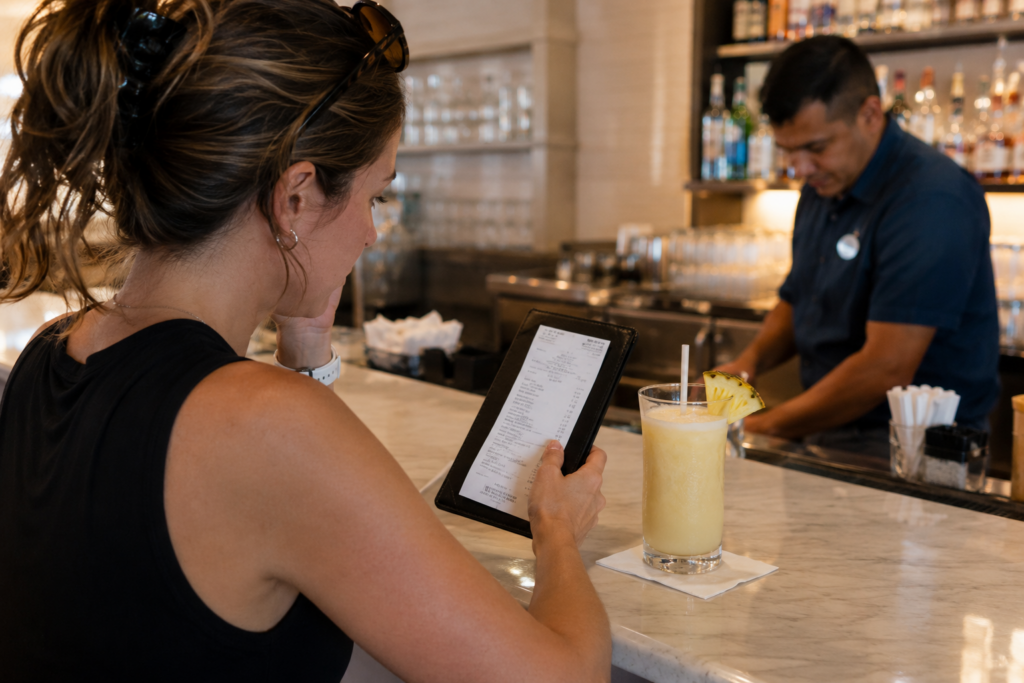
One of the most common surprises for first-time cruisers is realizing the advertised drink package price is usually not the final price. On many cruise lines, gratuities or service charges are automatically added to beverage packages during checkout, which can raise the total cost more than travelers initially expect.
That is one reason drink packages sometimes feel more expensive after taxes and gratuities are added. The package may still be worth it depending on your itinerary, drinking habits, and how much time you plan to spend onboard during sea days, but it is important to compare the full cost rather than focusing only on the advertised daily rate.
Cruise line policies also vary quite a bit. Some lines bundle beverage perks into promotions more heavily than others, while some ships rely more on bars and lounges for beverage access compared to self-serve stations and freestyle machines found on certain ships.
If you want a full breakdown of how cruise drink packages actually work, pricing differences between cruise lines, and common mistakes travelers make before buying one, use the guide below.
Port and terminal tipping
One place tipping still feels more traditional is at the cruise terminal before embarkation. If you hand your luggage to a baggage handler or porter, tipping is common, but it is still optional. Think of it as a practical courtesy rather than a required cruise-line charge.
This is separate from the automatic gratuities added onboard. It happens before you even step onto the ship, which is one reason some travelers forget to plan for it. If you want a smoother picture of what embarkation day actually feels like from curb to check-in, the Embarkation Guide walks through that process.
Is extra tipping required?
In most cases, additional tipping onboard is not required because automatic gratuities are already being collected through your onboard account each day. On most mainstream cruise lines, those gratuities are distributed across the service teams supporting your trip, including dining staff, waiters, stateroom attendants, bar staff, and other behind-the-scenes crew members working throughout the ship.
That system is designed so travelers do not need to carry cash around the ship constantly tipping individual crew members for standard service. For many guests, simply paying the automatic gratuities already built into the cruise fare covers the normal onboard tipping expectations.
Extra tipping is still a personal choice. Some travelers like to tip a bartender or drink server occasionally, especially in places like casinos, lounges, or pool decks where they may order repeatedly from the same staff member. For example, some guests hand a drink server a small cash tip or a $1 casino chip while sitting at a slot machine, but this is optional rather than required cruise etiquette.
The most important thing to understand is that relying only on the automatic gratuities does not mean you are doing something wrong or being disrespectful onboard. Many travelers find that once they understand how cruise tipping works, the process feels much less awkward because they know what is already included, what is optional, and when extra tipping may be appropriate.
Optional Extra
Why some travelers tip their stateroom attendant extra
Many experienced cruisers choose to give their stateroom attendant an extra tip at the end of the cruise, even though it is not required. The reason is usually practical rather than emotional: stateroom attendants often work very long hours, clean cabins multiple times a day, adjust around guests’ schedules, and quietly handle a surprising amount of day-to-day mess throughout the trip.
If you decide to tip extra, think of it as a personal thank-you for especially attentive service rather than something you are obligated to do. Cruise tipping feels much easier once you understand what is already covered by automatic gratuities and what is simply optional appreciation.
Most cruise lines make extra tipping fairly easy. Many cabins include gratuity envelopes near the end of the cruise, some ships allow you to leave an additional gratuity envelope at guest services, and many travelers simply hand cash directly to their stateroom attendant on the final day.
Personally, many experienced cruisers prefer handing the tip directly to their stateroom attendant because it creates a more personal interaction and gives them a chance to thank the crew member face-to-face for the work they did throughout the cruise.

Common mistakes that lead to surprise charges
Most cruise bill shock comes from simple misunderstandings rather than reckless spending. Many first-time cruisers budget for the cruise fare itself but forget about automatic gratuities, drink package service charges, specialty dining add-ons, bottled water purchases, or other onboard extras that quietly build throughout the trip.
Another common mistake is waiting until the final night of the cruise to review the onboard account. By that point, the charges can feel much larger because they accumulated gradually over several days instead of all at once.
Cruise lines also handle onboard pricing differently from one another. Some bundle more perks into promotions, while others rely more heavily on add-on purchases once you are onboard. Understanding those differences ahead of time can make budgeting much easier and reduce surprise charges at the end of the cruise.
If you are still comparing how different cruise lines handle onboard costs, packages, and day-to-day spending, the Cruise Line Comparisons page and Travel Hacks guide can help you spot some of the small differences that affect the final price of a trip.
Final practical advice
Budget for gratuities before you sail, check your onboard charges during the trip, and remember that gratuity policies vary by cruise line. Most first-time cruisers overthink tipping at first, but the system becomes much easier once you understand what is already covered through automatic gratuities and what is simply optional appreciation.
Cruising feels much less stressful when you plan for the small onboard costs ahead of time instead of getting surprised by them at the end of the trip.