
Port logistics
Cruise Tender Port Guide
Learn how cruise tender ports work, why they feel different from traditional cruise docks, and how to prepare for smoother, less stressful port days.
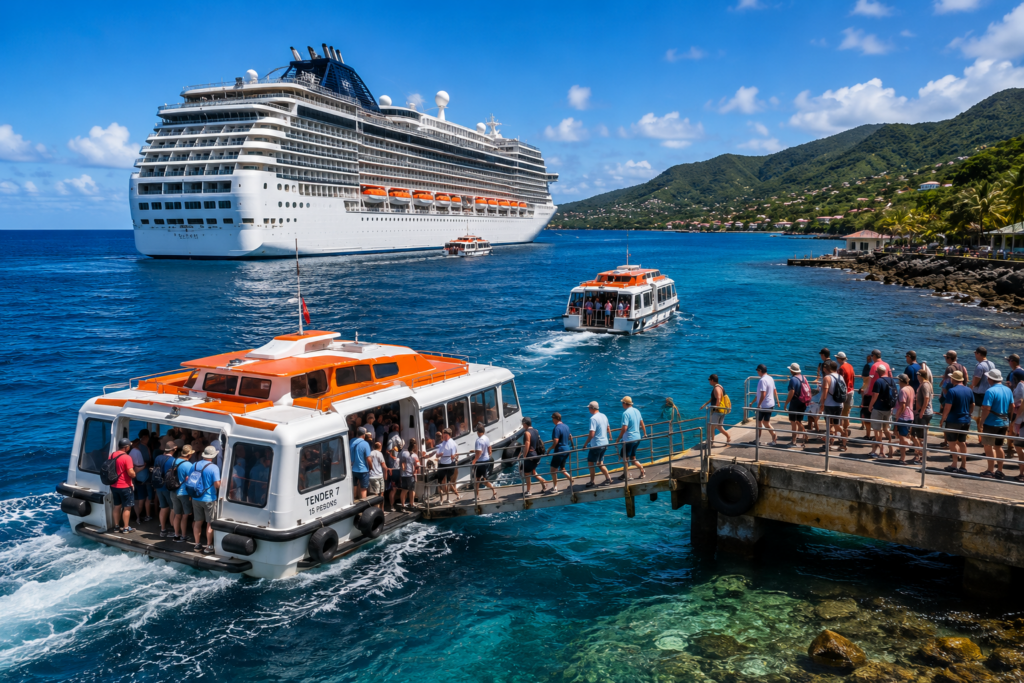
Why tender ports feel different
Operational reality
What makes tender ports harder
Tender ports can look simple on the itinerary, but they add more moving parts than a normal docked stop. You may need to wait for a tender ticket, stand in line, ride a smaller boat in choppy water, and then repeat the process to get back.
That does not mean tender ports are bad. It just means they require more patience and more awareness of time. If you are prone to seasickness, have mobility concerns, or feel stressed by uncertain timing, tender days can feel more tiring than expected. The Motion Sickness Guide is worth reading if rough transfers are one of your bigger worries.
This is also why many experienced cruisers plan tender days differently. They book excursions carefully, leave extra buffer time, and avoid treating the port stop like a simple walk-off experience.
Preparation
How to prepare for a tender day
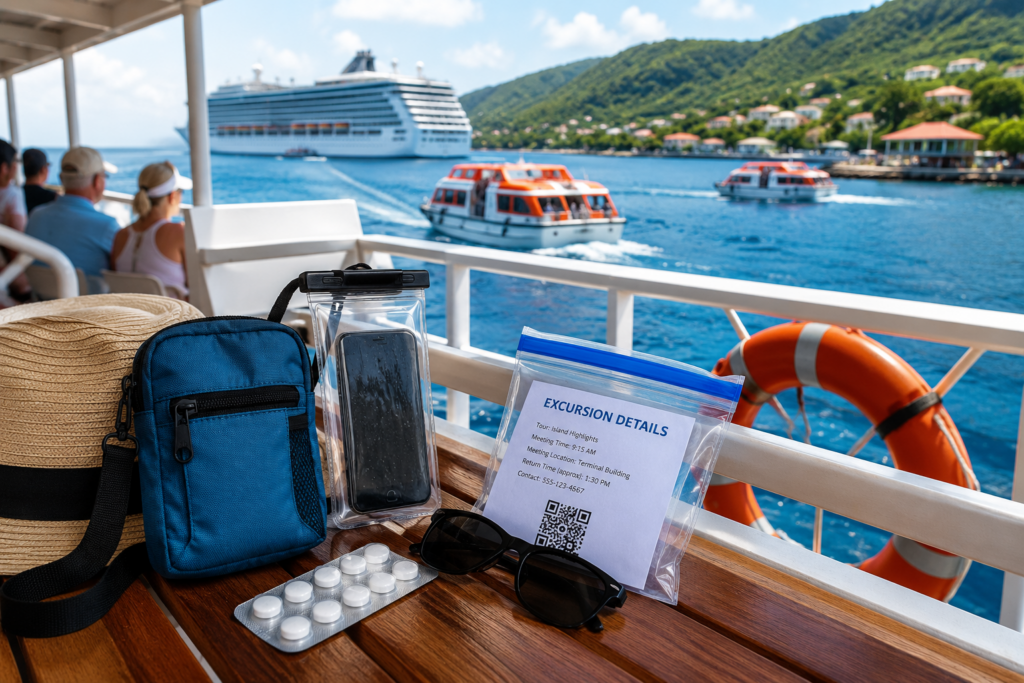
Bring only what you actually need, keep your phone protected from spray, and monitor ship time carefully. If the water is rough, boarding and unloading can feel less stable than people expect. Weather can change the whole feel of a tender day, so the Weather Expectations Guide is a useful companion here.
It also helps to eat lightly if you are motion sensitive, carry any medication you may need, and screenshot excursion details before leaving the ship. Unlike a docked port, returning to the ship because you forgot something can take considerably longer since you may need to wait for another tender. A small bag, patience, and realistic expectations usually make tender ports much easier.
Tender port FAQ
Quick answers to common questions cruisers have before their first tender port.
What is a tender port on a cruise?
It is a port where the ship anchors offshore and passengers go to land on smaller boats instead of walking directly off the ship onto a pier.
Can a tender port be canceled?
Yes. Weather and sea conditions can make tender operations unsafe or impractical, so tender ports are more likely to be changed or canceled than regular docked ports.
Do tender ports cause seasickness?
They can for some people, especially in rough water. Even cruisers who feel fine on the ship may notice more motion on a small tender boat.
What happens if I miss the last tender back to the ship?
Missing the last tender can have the same consequences as missing all-aboard time in a regular port. Always allow extra time to return, especially if weather or tender operations are slowing down.
How long does it take to get ashore at a tender port?
It depends on weather, crowd levels, and excursion demand. Some guests may be ashore within minutes, while others may wait significantly longer during busy periods.
What is priority tendering?
Priority tendering usually means certain passengers can leave earlier, often because of loyalty status, suite benefits, or ship-sponsored excursions. Policies vary by cruise line.
Are tender ports harder for people with mobility issues?
They can be. Boarding a smaller moving boat may be difficult in rough conditions, and accessibility can depend on the port, the weather, and the cruise line’s procedures.
Why do some cruisers dislike tender ports?
The biggest complaints are long waits, rough water, uncertain timing, and the extra effort required just to get ashore and back.
Are cruise line excursions safer at tender ports?
Cruise line excursions are often coordinated with tender schedules, which can reduce some timing concerns. Independent excursions can still work well, but extra buffer time becomes even more important.
How often do tenders run between the ship and shore?
Tender schedules vary by port, weather conditions, and the number of ships visiting. In some ports, tenders may run every 10–15 minutes throughout the day, while in others the wait can be considerably longer during busy periods or poor weather. Cruise lines generally try to keep tenders moving continuously, but guests should not assume they can immediately board a tender whenever they want. Building extra time into your plans is one of the easiest ways to reduce stress on a tender day.
Plan tender days with more buffer
Tender ports usually require a little more flexibility than traditional docked ports. Weather, tender availability, and morning crowds can all affect timing. Building extra buffer into excursion plans, return times, and transportation arrangements helps reduce stress and makes the day more enjoyable.