
Packing Guide
First Cruise Packing Guide
Practical packing tips for first-time cruisers, including what to bring, what to leave home, and how to avoid common boarding-day mistakes.
Start Here
Packing for Your First Cruise Doesn’t Have to Be Complicated
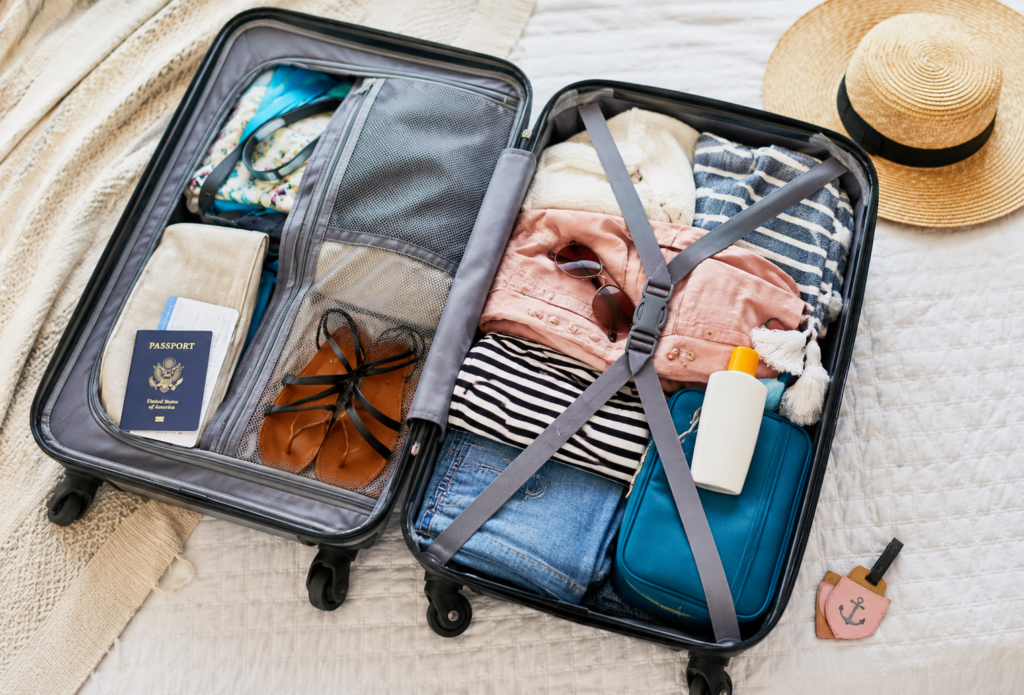
The goal isn’t to pack everything you own. Most cruisers are surprised by how little they actually use once onboard. Packing smarter keeps your luggage manageable, makes embarkation day easier, and can help you avoid unnecessary airline baggage fees if you’re flying to your cruise.
It also helps to know that some everyday travel items are not allowed onboard. Things like certain power strips, irons, and open-flame items can be confiscated during boarding, which surprises many beginners.
Smart packing is less about bringing more and more about bringing the right things in the right place.
Cruise Beginner Guide
A simple plan makes embarkation easier, helps you settle into your cabin faster, and gives you a better sense of what you will actually use during the trip.
What to Bring on a Cruise
Focus on practical items that make boarding, cabin life, and port days easier. These are the basics many first-time cruisers are glad they packed.
Documents
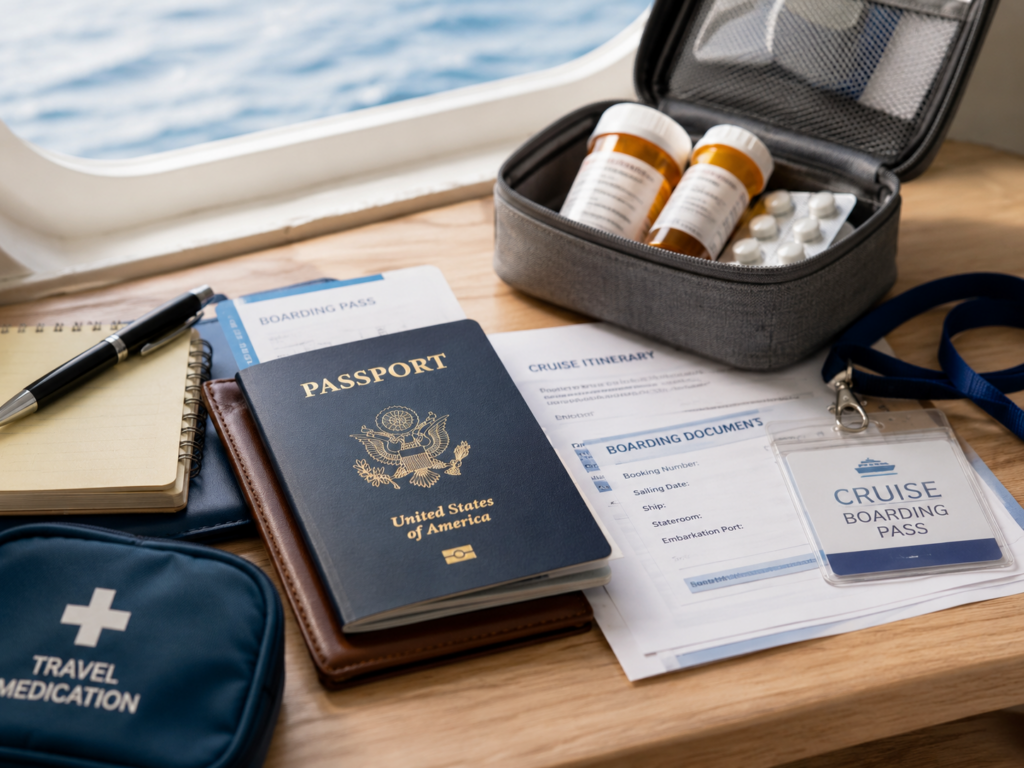
Travel documents and medications
Bring your cruise documents, identification, payment methods, and any travel insurance information you may need during your trip.
Embarkation
Carry-on essentials and comfortable basics
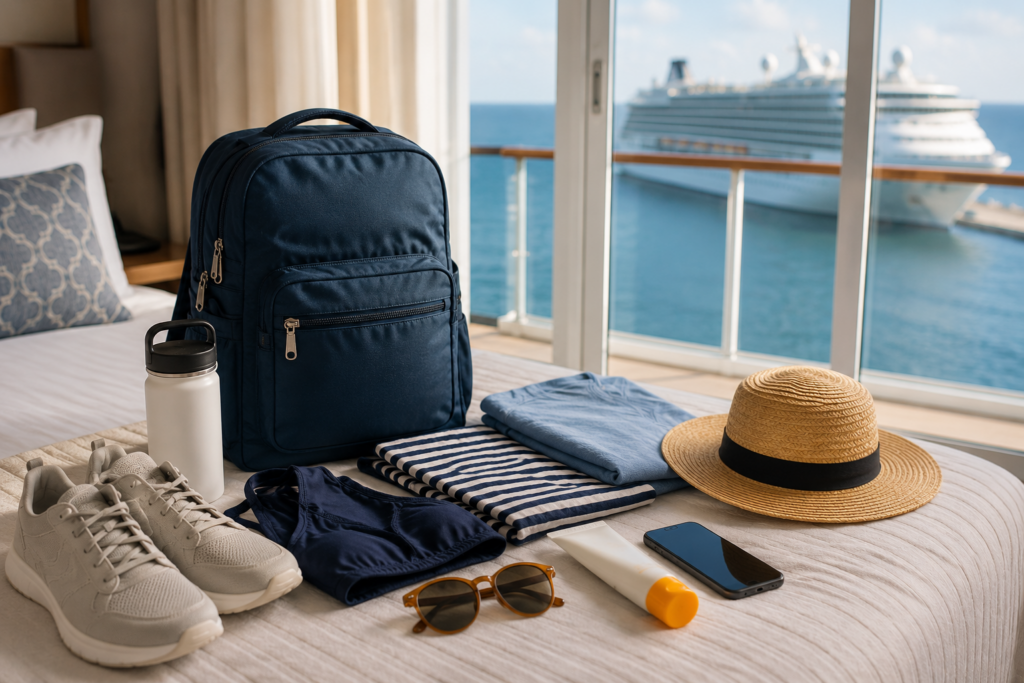
Keep medications, travel documents, chargers, and anything you’ll need during the embarkation process in your carry-on rather than your checked luggage.
Useful extras
Small items that make cruise cabins easier
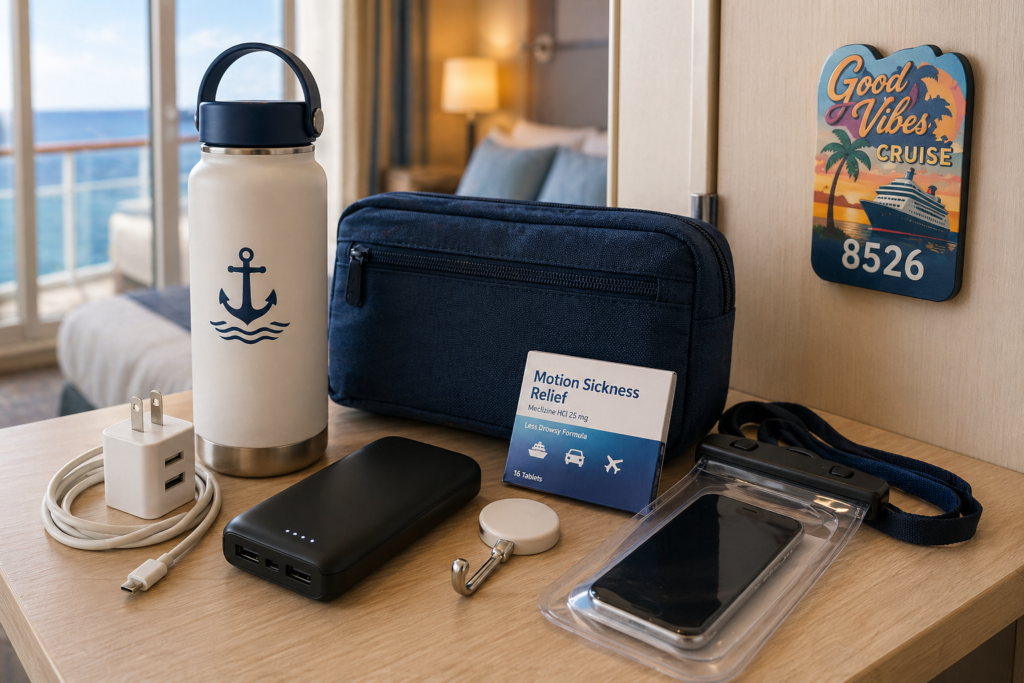
A portable charger helps on travel days and excursions. Many cruisers also like magnetic hooks for extra cabin storage, a reusable water bottle for staying hydrated, and motion sickness remedies just in case. Some cruisers also use personalized magnets on their cabin door to make their room easier to spot in long hallways.
Leave These Home
What NOT to Bring
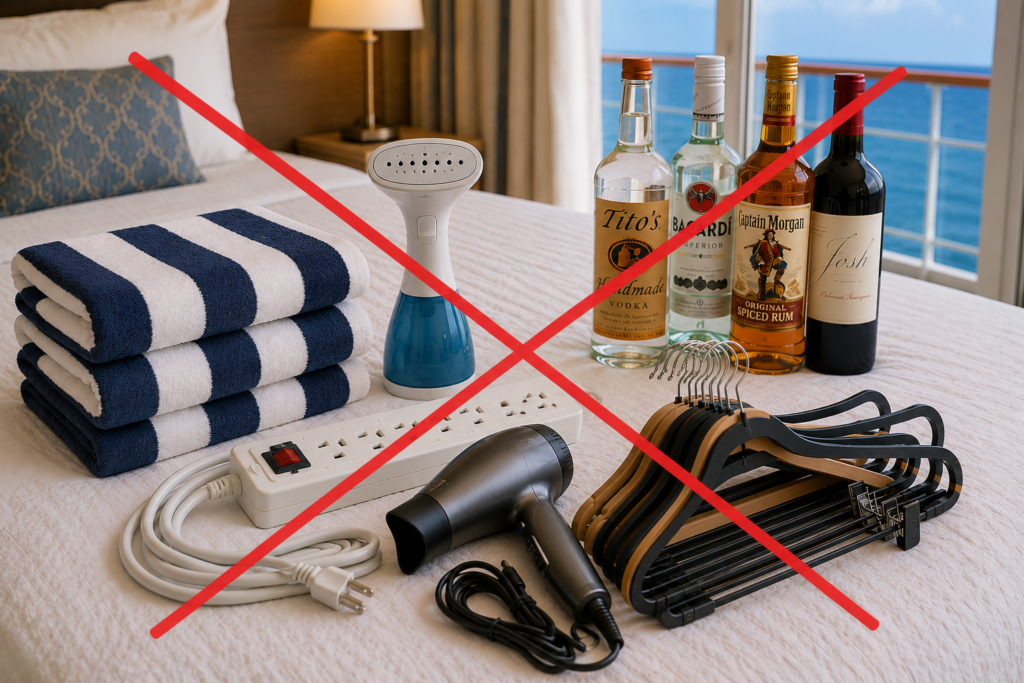
Some items are not allowed onboard, while others simply take up unnecessary space. Leave surge-protected power strips, irons, steamers, candles, and most alcohol at home..
Cruise cabins already include hangers and basic hair dryers, and most cruise lines provide pool towels, so there is usually no need to pack extras. Many first-time cruisers also find they need fewer dressy outfits than expected.
If you are unsure about a specific item, check your cruise line’s current packing rules before sailing. Packing lighter usually makes embarkation and cabin storage much easier.
Keep It Simple
Smart Cruise Packing Tips
If you plan to head to the pool early, it may be easier to wear a swimsuit under your travel clothes instead of packing it in your carry-on. Keep important medications, travel documents, chargers, and anything valuable with you while your luggage is being delivered to your cabin.
Cruise cabins are usually smaller than hotel rooms, but most still include drawers, shelves, closets, and space under the bed for large suitcases. Keeping documents, medications, and chargers easy to reach usually matters more than bringing extra organization accessories.
A few simple packing habits can make embarkation day a lot less stressful.
Practical tip
If you are still deciding what kind of trip fits your budget and style, our Cruise Costs Guide and Cruise Line Comparisons can help you plan more confidently before you pack.
Quick Cruise Packing Checklist
Use this checklist as a final review before embarkation day to make sure nothing important gets left behind.
Documents: passport or required ID, boarding documents, travel confirmations, wallet, and any needed health paperwork.
Clothing: casual daytime outfits, sleepwear, underwear, swimwear, one or two dinner outfits, lightweight layers, and comfortable walking shoes.
Toiletries: toothbrush, toothpaste, skincare basics, medications, sunscreen, and motion sickness remedies.
Electronics: phone, chargers, portable charger, headphones, and a watch if you like keeping track of ship time.
Excursion essentials: Excursion essentials: small day bag, sunglasses, hat, refillable water bottle, waterproof phone pouch, beach or port-day basics, compact binoculars for scenic cruising or port days, and personal snorkel gear if you plan to use it.
Cabin extras: magnetic hooks, a small laundry bag for separating worn clothes, and a luggage tag holder or small stapler for embarkation day.
Bringing Cash on a Cruise
Cash can also help you avoid unnecessary fees in a few situations. For example, cruise casinos often charge around a 5% fee when casino spending is charged to your onboard account, and many port vendors still prefer or more easily accept cash. In some ports, having cash may also make it easier to negotiate prices with local vendors and small shops.
You usually do not need to carry large amounts of cash onboard, but small bills can still be useful for shuttle tips, luggage tips, small purchases, and unexpected expenses during your trip. If you are planning your budget in advance, our Cruise Costs can help you think through these smaller expenses before you sail.
Need Help Planning Your Cruise?
Get personalized help choosing the right cruise, cabin, and itinerary through our trusted travel planning partner.
Questions
Frequently Asked Questions
How much luggage should I bring on a cruise?
Most first-time cruisers do well with one main suitcase per person and a carry-on. The right amount depends on cruise length, but lighter packing is usually easier in a small cabin.
Can I bring bottled water onboard?
Policies vary by cruise line, so check your line’s current rules before sailing. Some allow limited bottled water or canned drinks, while others have stricter rules.
What should I pack in my carry-on bag?
Keep documents, medications, valuables, chargers, a swimsuit, sunscreen, and anything you may need before your checked luggage reaches your cabin.
Many cruise lines do not allow surge-protected power strips, so always review your cruise line’s prohibited-items list before sailing. If you bring a power strip or charging hub, choose one without surge protection and with USB ports for charging phones and small devices in the cabin.
FAQ
Do cruise ships provide towels and toiletries?
Pool towels are usually available onboard, and cabins normally include basic toiletries, but the selection can be limited. Bring your preferred essentials if that matters to you.
How much clothing should I actually pack?
Most first-time cruisers need less than they expect. Focus on versatile daytime outfits, swimwear, sleepwear, and one or two dinner looks instead of packing a different outfit for every part of the day.